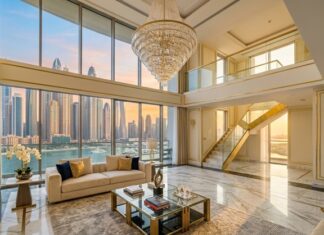
Leading commercial interior design firms are revolutionising how businesses approach their workspaces, creating environments that not only impress clients but dramatically impact employee productivity and company culture. In an increasingly competitive business landscape, the strategic design of commercial spaces has emerged as a critical differentiator for organisations seeking to attract top talent and enhance their brand identity.
Why Your Workspace Matters More Than You Think
Darlings, let me share some eye-opening statistics that might just transform how you view your humdrum office:
- Companies with thoughtfully designed workspaces report up to 33% higher employee satisfaction rates
- Well-designed commercial interiors can increase productivity by an impressive 20%
- 87% of workers indicate they would like their employers to provide healthier workspace benefits and options
- Organizations with engaging workspaces experience 41% lower absenteeism
The numbers don’t lie, sweethearts! Your office design isn’t merely about aesthetics—it’s a strategic business investment with quantifiable returns.
The Magic Behind Transformative Commercial Spaces
What separates truly exceptional commercial designs from the merely adequate? It’s that ineffable quality that makes visitors stop in their tracks and employees feel genuinely inspired to perform at their best.
Take the stunning transformation of a financial institution’s headquarters in Raffles Place. What was once a maze of dreary cubicles has become an architectural marvel featuring biophilic design elements, dynamic collaborative spaces, and private focus areas—all while reinforcing the company’s brand identity through subtle design cues. The result? Employee satisfaction scores jumped by 47% within the first quarter post-renovation!
Trends Reshaping Singapore’s Commercial Landscape
The commercial design landscape is evolving at breakneck speed, darlings, particularly in Singapore’s vibrant business districts:
- Flexible, adaptable spaces: The pandemic has accelerated the shift toward modular workspaces that can be reconfigured at a moment’s notice
- Biophilic design: Incorporating natural elements, from living walls to natural light maximisation, has become non-negotiable
- Technology integration: Seamless tech incorporation that enhances rather than dominates the user experience
- Wellness-focused design: From air purification systems to ergonomic furniture, employee wellbeing drives design decisions
- Brand storytelling through design: Physical spaces that communicate company values without saying a word
In Tanjong Pagar, one tech firm’s office has become the talk of the town with its revolutionary approach to blending work and relaxation zones, featuring everything from soundproof meditation pods to a barista-staffed café that rivals any trendy establishment in the area.
The Return on Investment Question
“But is it worth the investment?” I hear you ask. Absolutely, my dears!
Strategic commercial design delivers returns far beyond what appears on the balance sheet. Beyond the immediate productivity gains, thoughtfully designed workspaces:
- Reduce staff turnover (saving recruitment and training costs)
- Strengthen brand perception among clients and partners
- Support sustainability initiatives (reducing operational costs)
- Create a competitive advantage in talent attraction
According to a recent study by Singapore’s Business Development Council, companies that invested in high-quality commercial design reported an average 23% increase in client retention and a 15% boost in unsolicited job applications.
Selecting the Right Design Partner
The relationship between a business and its design firm is nothing short of intimate, darlings. Your chosen designer will delve into your company’s culture, aspirations, and challenges to create a space that serves as a physical manifestation of your brand.
When evaluating potential design partners, consider:
- Their portfolio diversity and depth
- Their understanding of your industry’s specific needs
- Their approach to sustainability and wellness
- Their process for incorporating stakeholder input
- Their track record of delivering projects on time and within budget
The Blend of Functionality and Aesthetic
The most successful commercial spaces strike that delicate balance between practicality and visual impact. Every design element should serve a purpose while contributing to the overall aesthetic narrative—there’s no room for superfluous flourishes that impede productivity or unnecessarily inflate budgets.
Conclusion
In today’s competitive business environment, your workspace is more than just a place to house employees—it’s a strategic tool that can drive performance, enhance culture, and strengthen your market position. Whether you’re planning a complete overhaul or strategic updates to your existing space, investing in thoughtful, expert commercial interior design will yield dividends that extend far beyond the visual transformation.